EFIS Congress 2026
Sex Differences in Immunity
Sex Differences in Immunity
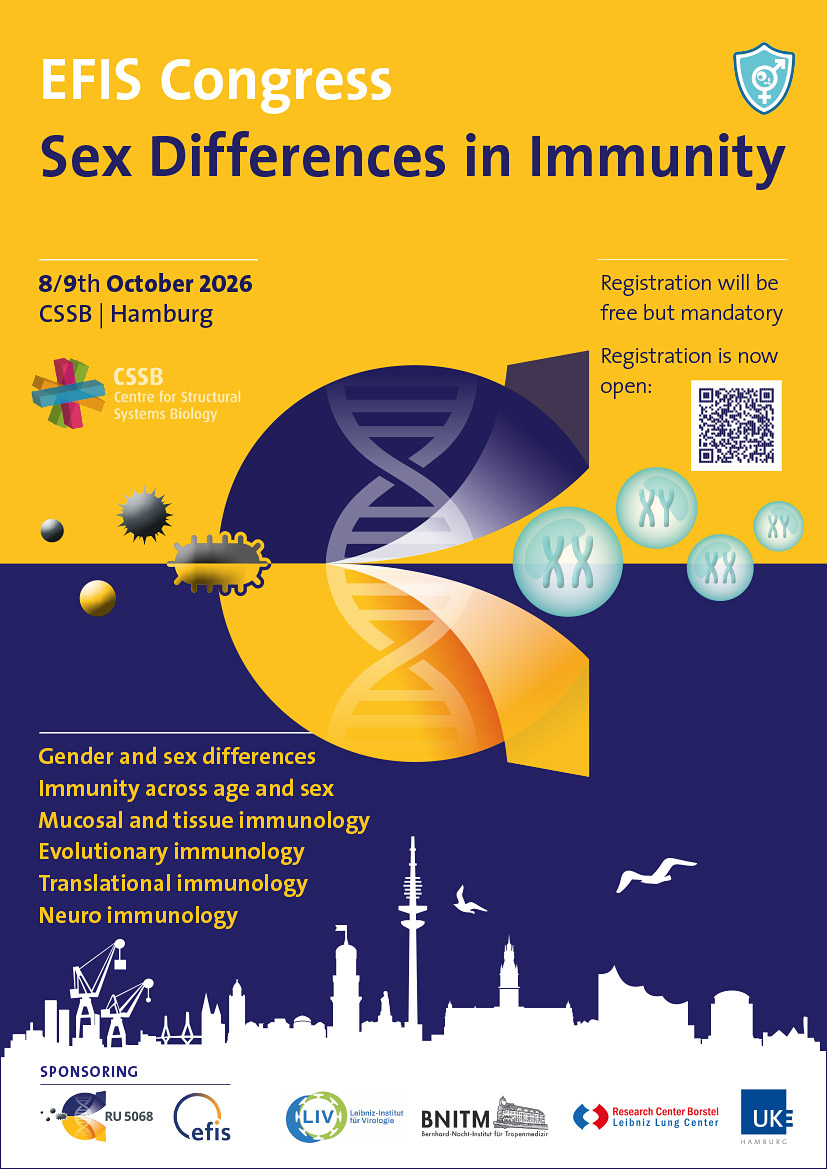
8–9 October 2026
Registration and abstract submission deadline: Midnight (CEST) June 15th, 2026.
For questions, contact: efisconference-hamburg@uke.de
About the Congress
The EFIS Congress: Sex Differences in Immunity will take place on 8-9 October 2026 at the Centre for Structural Systems Biology (CSSB) located at the Science City Hamburg Bahrenfeld in Hamburg, Germany.
Co-organized by the Research Unit 5068 Sex differences in immunology and supported by European Federation of Immunological Societies (EFIS), the congress will bring together international experts to explore how sex and gender shape immune responses in health and disease.
Biological sex is a fundamental determinant of immune responses, influencing susceptibility to infections, autoimmune diseases, cancer, and responses to therapeutic interventions and vaccines. Despite substantial progress in the field, important mechanistic questions remain unresolved. This congress will provide a focused platform to advance understanding, foster rigorous discussion, and strengthen the integration of sex-informed approaches into immunological research and clinical practice.
The scientific program will address key themes including:
- Gender and sex differences
- Immunity across age and sex
- Mucosal and tissue immunology
- Evolutionary immunology
- Translational immunology
- Neuroimmunology


The meeting is proudly supported by DFG-funded Research Unit 5068 “Sex Differences in Immunology” and the European Federation of Immunological Societies (EFIS).
Keynote Speakers
- Prof. Dr. Sabra Klein, Johns Hopkins Bloomberg School of Public Health, Baltimore, Maryland, USA

Sabra L. Klein is an internationally recognized expert in sex differences in immune responses and Professor at the Johns Hopkins Bloomberg School of Public Health. Her research focuses on the biological mechanisms underlying sex differences in immunity, including the roles of sex hormones, genetics, and aging in shaping susceptibility to infectious diseases and responses to vaccines.
- Prof. Dr. Lars Forsberg, Uppsala University, Uppsala, Sweden
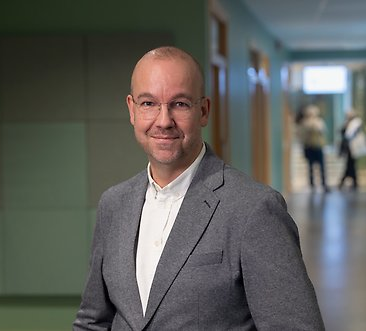
Lars Forsberg is a molecular geneticist at Uppsala University whose research focuses on genetic mechanisms underlying sex differences in disease and immunity. His work has highlighted the importance of mosaic loss of the Y chromosome in blood cells, an age-related mutation associated with altered immune function and increased disease risk in men.
- Dr. Tal Pecht, University of Bonn and Systems Medicine Department at DZNE, Bonn, Germany
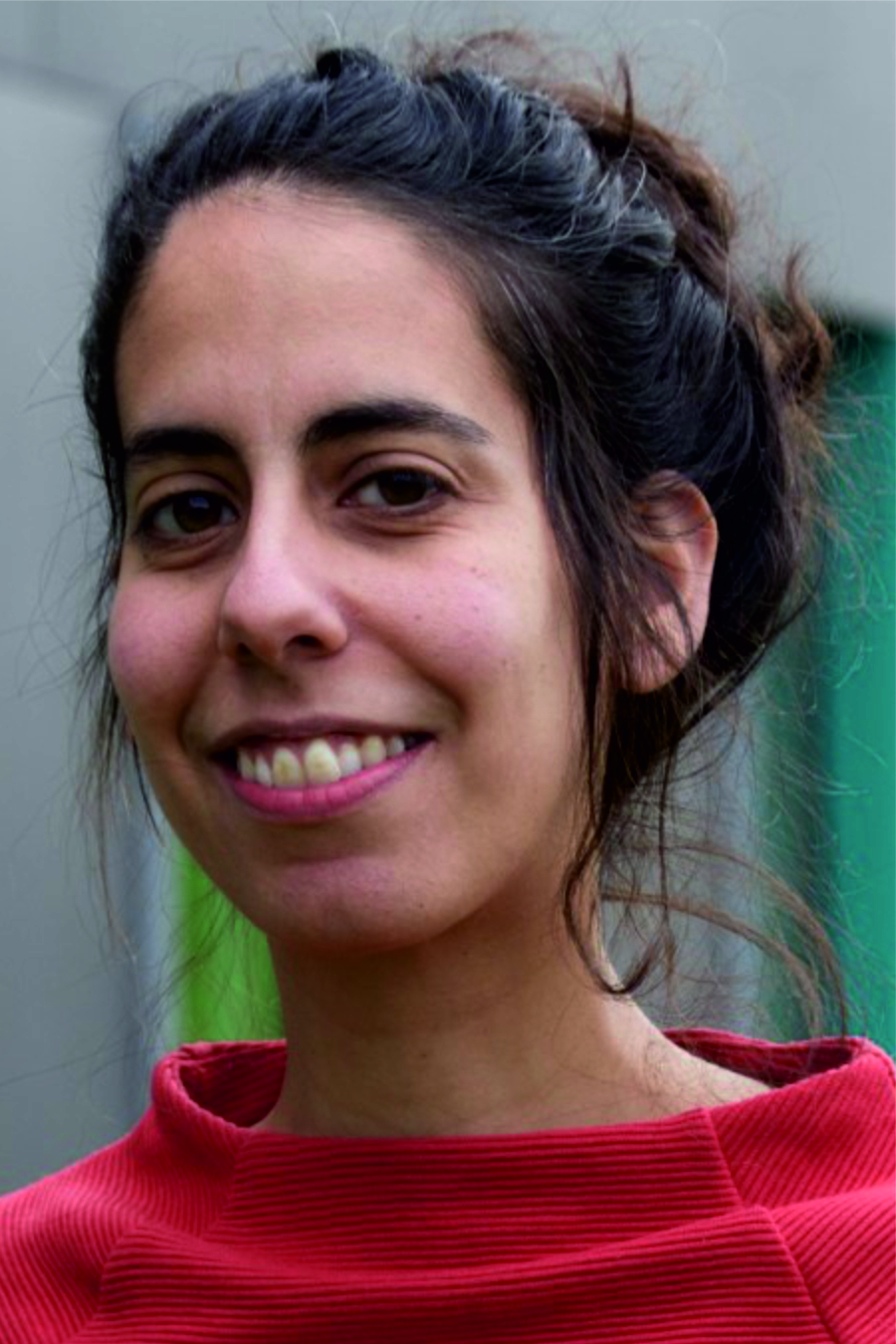
Tal Pecht, Ph.D. is a junior group leader at the University of Bonn and the Systems Medicine Department at DZNE, Bonn, Germany, where she leads the FemmunityX (Female Immunity Exploration) research group. Her research focuses on human immune variation, with an emphasis on how hormonal and metabolic changes shape female immune diversity. She combines systems immunology and human population studies to advance sex-specific approaches in human immunology.
- Dr. Darragh Duffy, Institut Pasteur, Paris, France
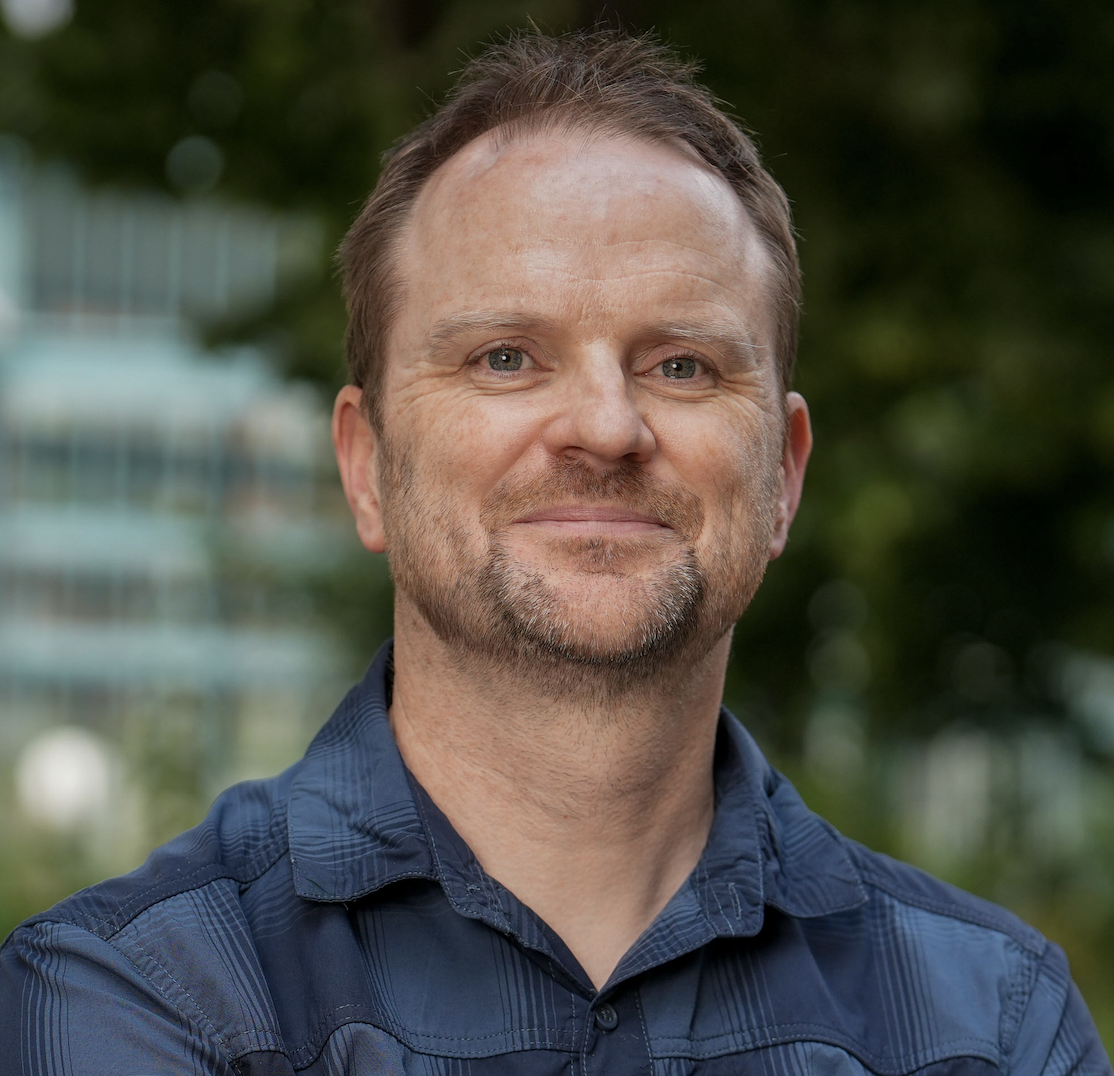
Darragh Duffy leads the Translational Immunology Unit at the Institut Pasteur. His research focuses on understanding the mechanisms underlying inter-individual differences in immune responses, combining systems immunology, population cohorts, and clinical studies in infection and autoimmunity. His work integrates genetic, environmental, and immunological data to improve patient management and precision approaches to immune-mediated diseases.
- Prof. Dr. Richard Saffery, Murdoch Children’s Research Institute, Melbourne, Australia
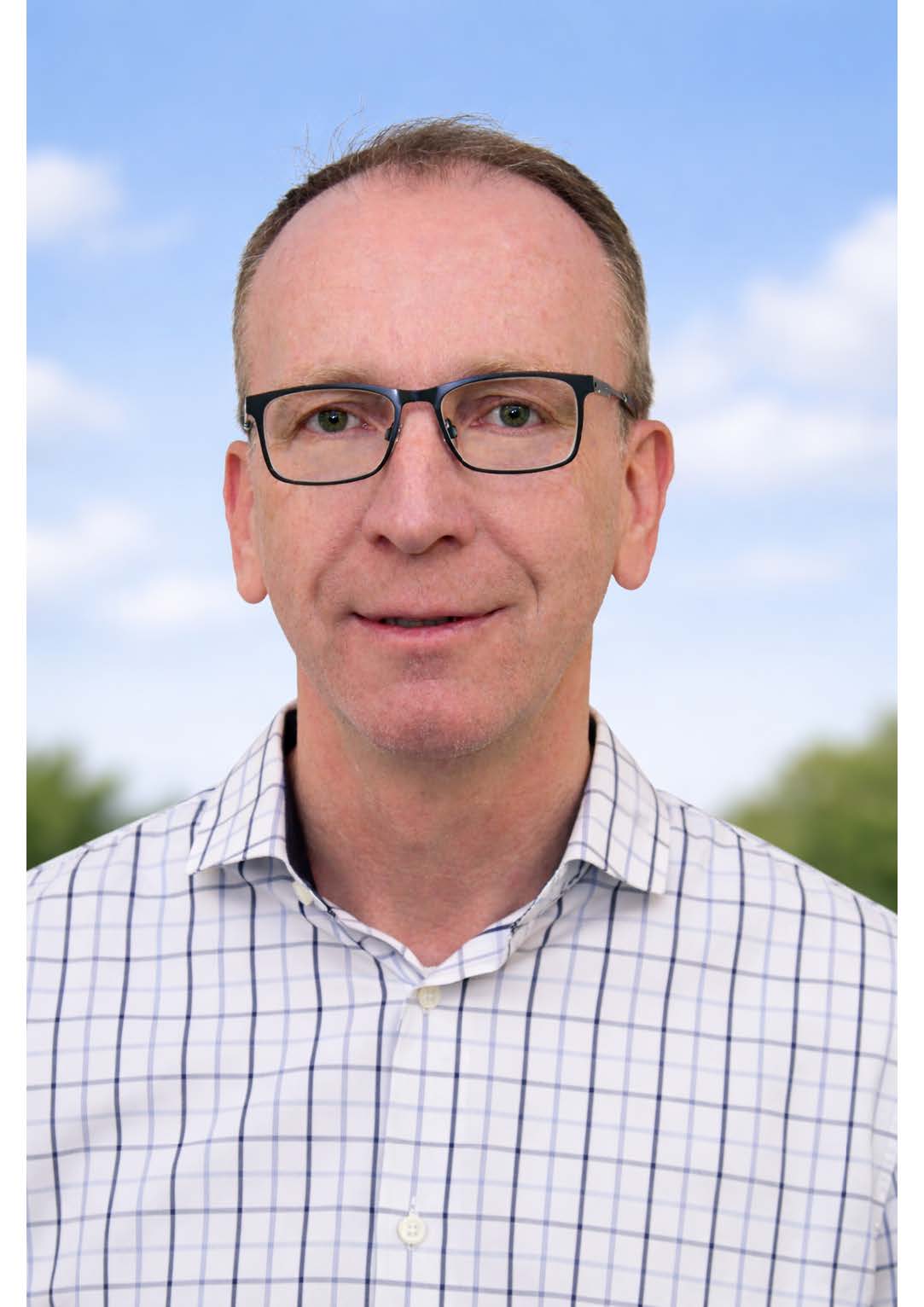
Richard Saffery is a Principal Research Fellow and Group Leader at the Murdoch Children’s Research Institute and Professor of Paediatrics at the University of Melbourne. His research focuses on how early-life environmental factors, from pregnancy through childhood, influence long-term health and disease risk. His team apply state-of-the-art molecular and cellular profiling to population-based cohorts and clinical studies to investigate the developmental origins of disease, particularly in relation to immune-mediated conditions. More recently, they have investigated how feminizing gender-affirming hormone therapy in transgender women influences the plasma proteome and related biological pathways relevant to human health.
Congress Program
DAY 1 – OCTOBER 8, 2026
| Time | Programme |
|---|---|
| 08:30 – 09:00 |
Registration & Welcome Coffee
|
| 09:00 – 09:30 |
Opening Session
Welcome by Marcus Altfeld and Tal Pacht
Welcome Addresses by:
|
| 9:30 – 11:00 |
Session 1: Sex Differences in Infections
Chairs: Barbara Honecker & Cliona O’Farrelly
|
| 11:00 – 11:30 |
Coffee Break & Networking with Refreshments
|
| 11:30 – 12:30 |
Session 2: Temperature- and Cycle-Dependent Regulation of Immunity
Chairs: Maria Pujantell & Helena Soares
|
| 12:30 – 12:45 |
Group Picture
|
| 12:45 – 14:30 |
Lunch & Poster Session
|
| 14:30 – 16:00 |
Session 3: Impact of Sex Chromosome Effects
Chairs: Lara Buer & Tal Shay
|
| 16:00 – 16:30 |
Coffee Break & Networking
|
| 16:30 – 17:30 |
Session 4: Sex-Specific Regulation of Immunity
Chairs: Michael Brehler & Camila Consiglio
|
| 17:30 – 18:00 |
Themis & Institut Pasteur present “Closing the Sex & Gender Gap in Biomedical Research: A European Framework for Scientific, Regulatory, and Institutional Change”
|
| 18:00 – 20:00 |
Poster Session & Finger Food Reception
|
DAY 2 – OCTOBER 9, 2026
| Time | Programme |
|---|---|
| 08:30 – 09:00 |
Arrival & Morning Coffee
|
| 09:00 – 10:30 |
Session 5: Gender-Affirming Hormone Therapy and Transgender Health
Chairs: Dorothee Schwinge & Marcus Altfeld
|
| 10:30 – 11:00 |
Coffee Break
|
| 11:00 – 12:45 |
Session 6: Sex-Specific Immunity from Health to Healthy Aging and Disease
Chairs: Hanna Lotter & Molly Ingersoll
|
| 12:45 – 13:00 |
Closing Remarks & Feedback Session
|
| 13:00 – 14:00 |
Networking Lunch
|
Venue

CSSB Centre for Structural Systems Biology
Notkestraße 85, Building 15
22607 Hamburg
CSSB - Centre for Structural Systems Biology
Registration and Abstract Submission
Registration and abstract submission are open until midnight (CEST) on June 15, 2026.
Registration inquiries: efisconference-hamburg@uke.de
Congress Committee
Conference Chair
Marcus Altfeld, Leibniz Institute of Virology / University Medical Center Hamburg-Eppendorf, Germany
International Scientific Committee
Camila Consiglio, Lund University, Sweden
Darragh Duffy, Institut Pasteur, France
Molly Ingersoll, Institut Pasteur, France
Cliona O’Farrelly, Trinity College Dublin, Ireland
Tal Pacht, German Center for Neurodegenerative Diseases (DZNE), Germany
Tal Shay, Ben-Gurion University of the Negev, Israel
Helena Soares, NOVA Medical School, Universidade NOVA de Lisboa, Portugal
Local Organizing Committee
Michael Brehler, University of Hamburg, Germany
Lara Buer, Research Center Borstel (Borstel, Leibniz Lung Center), Germany
Silke Giesemann-Jansen, Leibniz Institute of Virology, Germany
Barbara Honecker, Bernhard Nocht Institute for Tropical Medicine, Germany
Anja Lindemann, Leibniz Institute of Virology, Germany
Maria Pujantell Graell, Leibniz Institute of Virology, Germany
Bianca Schneider, Research Center Borstel (Borstel, Leibniz Lung Center), Germany
Kati Tillack, University Medical Center Hamburg-Eppendorf (UKE), Germany
Sponsors


Stay In Touch